

Eczema
Get Expert Eczema Treatment from Australia's Leading Dermatologists
Eczema is one of the most common skin conditions in Australia, affecting people of all ages from infants through to adults. With online access to experienced dermatologists, you can get a clear diagnosis and a personalised treatment plan without waiting months for an appointment.
What is eczema?
Eczema is a chronic inflammatory skin condition that causes the skin to become dry, itchy, and inflamed. It tends to flare up periodically and can range from mild to severe.
Eczema can have a range of causes. It is not contagious and cannot be passed from one person to another.
Eczema symptoms
Eczema symptoms vary depending on the type and severity of the condition. They can change over time and may be more or less pronounced depending on triggers and flare up activity.
Common signs include:
- dry, sensitive skin that may feel rough or scaly
- intense itchiness
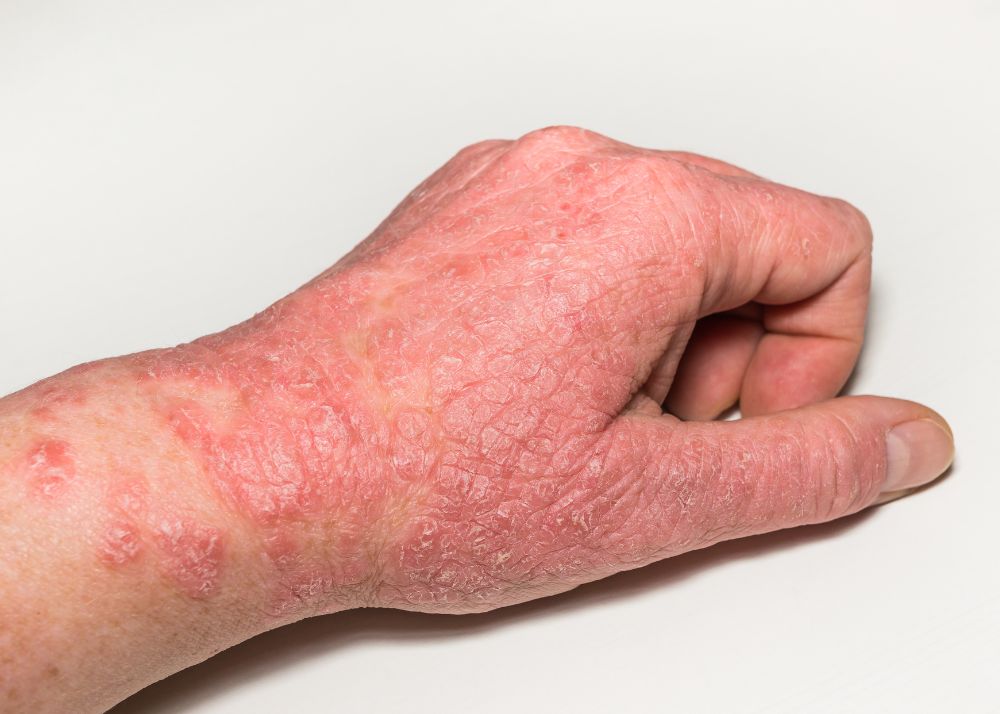
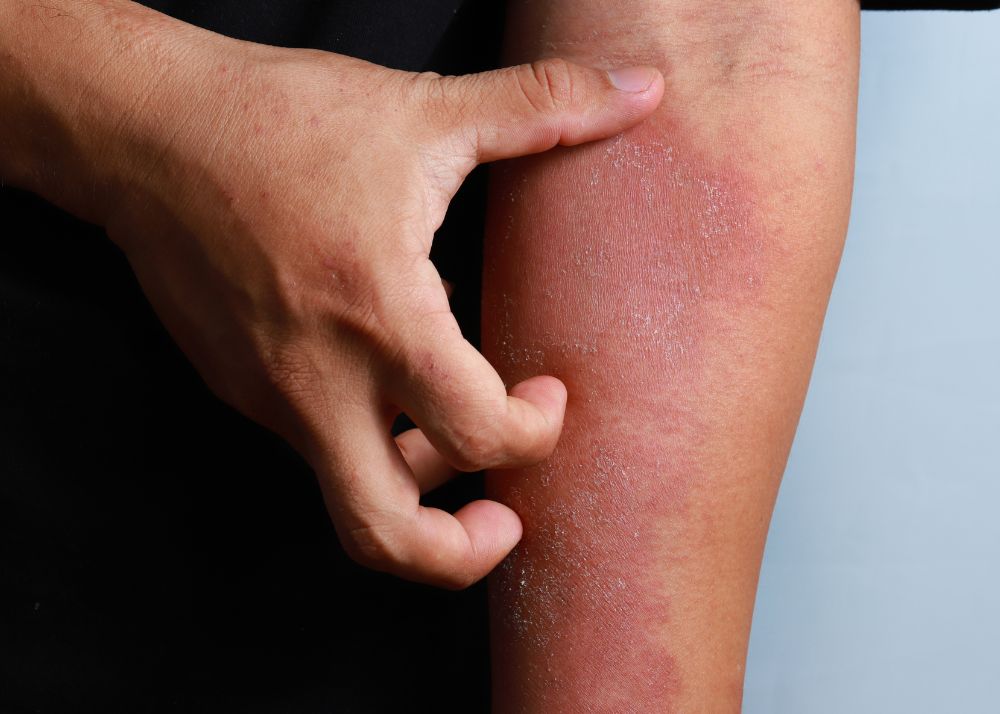
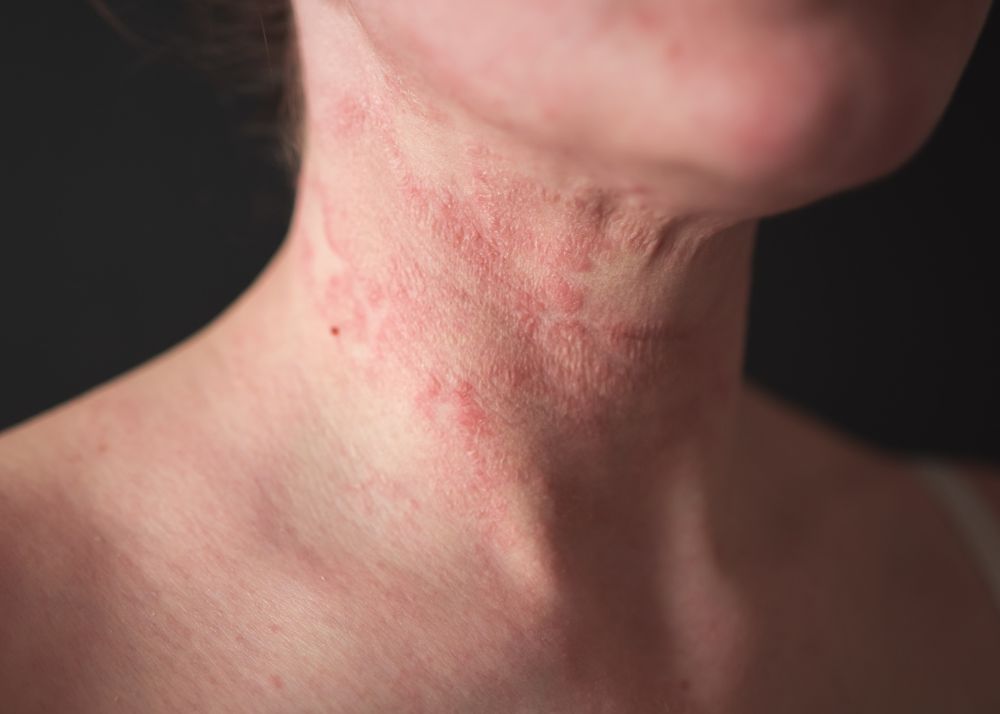
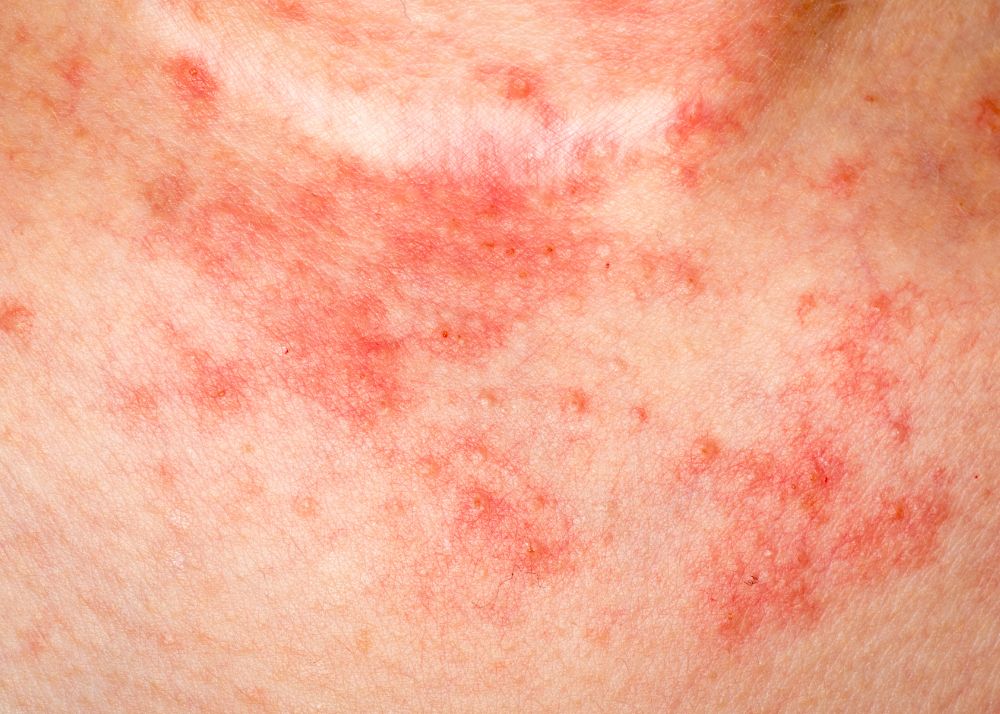
- red, inflamed patches of skin
- areas of thickened or leathery skin from repeated scratching
- small raised bumps that may weep or crust over
- skin that is prone to cracking, particularly on the hands and feet
- raw or swollen skin from scratching
In infants and young children, eczema commonly affects the face, scalp, and outer surfaces of the arms and legs. In older children and adults it tends to affect the inner folds of the elbows and knees, the neck, wrists, and hands.
The types of eczema
Eczema is classified into several distinct types based on cause, location, and presentation. Identifying the correct type is important because the treatment approach differs between them.
Atopic Dermatitis / Chronic Eczema – these terms can be used interchangeably
Atopic dermatitis is the most common form of eczema and what most people are referring to when they use the term eczema. It is a chronic condition characterised by a genetic dysfunction in the skin barrier that makes it more susceptible to irritants, allergens, and environmental triggers.
It is closely associated with other atopic conditions including asthma and hay fever, and tends to run in families. Atopic dermatitis often begins in childhood but can persist into adulthood or develop for the first time in adults.
Flare ups can be triggered by a wide range of factors including dry skin, heat, sweat, stress, certain fabrics, and environmental allergens.
Contact Dermatitis
Contact dermatitis occurs when the skin reacts to direct contact with a substance. There are two forms:
- Irritant contact dermatitis, caused by repeated exposure to substances that damage the skin such as soaps, detergents, or chemicals
- Allergic contact dermatitis, which is an immune response to a specific allergen such as nickel, fragrances, or latex.
It typically presents as a red, itchy rash at the site of contact and resolves once the trigger is identified and avoided.
It is important to note that different types of eczema can be present concurrently.
Seborrhoeic Dermatitis
Seborrhoeic dermatitis affects areas of the skin that are rich in oil-producing glands, including the scalp, face, and upper chest. It causes red, scaly, greasy patches and is thought to be related to the presence of a naturally occurring yeast on the skin.
In infants it is commonly known as cradle cap. In adults it tends to be a chronic condition that flares periodically.
Dyshidrotic Eczema (Pompholyx)
Dyshidrotic eczema causes small, intensely itchy fluid-filled blisters to develop on the hands, (often on the sides of the fingers), and feet. It is more common in adults and tends to flare in response to stress, moisture, or contact with certain metals such as nickel or cobalt.
Eczema in children
Eczema is one of the most common skin conditions in childhood. While much of the information on this page applies to both adults and children, we have put together a dedicated resource covering eczema and other common childhood rashes that is specific to younger patients.
[Read more about childhood rashes and eczema in children]
Who gets eczema?
Eczema affects people of all ages but is particularly common in children. Many children who develop eczema see their symptoms improve significantly as they get older, though the condition can persist into adulthood or develop for the first time in adults.
People with a personal or family history of asthma, hay fever, or allergic conditions are at higher risk of developing atopic dermatitis. Eczema tends to run in families, suggesting a significant genetic component.
What causes eczema?
Eczema is caused by a combination of genetic and environmental factors that affect the skin’s ability to function as an effective barrier. In atopic dermatitis, the skin barrier is compromised, allowing moisture to escape and irritants and allergens to penetrate more easily.
This triggers an immune response that leads to inflammation, itching, and the characteristic rash. The tendency toward an overactive immune response is often inherited, which is why eczema frequently runs in families alongside asthma and hay fever.
Common eczema triggers
While triggers do not cause eczema, they can provoke flare ups or worsen existing symptoms. Triggers vary between individuals and identifying personal triggers is an important part of managing the condition.
Common triggers include:
- dry skin
- heat and sweating
- stress
- certain fabrics such as wool or synthetic materials
- soaps, detergents, and cleaning products
- fragrances and skincare products
- environmental allergens such as dust mites, pet dander, and pollen
- changes in temperature or humidity
Why see an eczema dermatologist online?
Eczema can be difficult to manage without specialist input, particularly when it is moderate to severe, involves the face, or is not responding to over the counter treatments.
Seeing an eczema dermatologist online gives you access to expert care without long wait times, regardless of where you are in Australia.
Digital Dermatology can help with:
- confirming the diagnosis and identifying the type of eczema
- identifying triggers and contributing factors
- recommending appropriate treatment based on severity and skin type
- prescribing topical and oral medications where needed
- managing access to advanced therapies for severe or treatment-resistant eczema
- providing ongoing support for chronic cases
Eczema treatments
Eczema treatment focuses on repairing the skin barrier, reducing inflammation, controlling itch, and preventing flare ups. The right approach depends on the type and severity of your eczema.
General measures:
- regular moisturising with fragrance-free emollients to restore and maintain the skin barrier
- identifying and avoiding personal triggers
- using gentle, fragrance-free skincare and laundry products
- keeping fingernails short to minimise skin damage from scratching
- wearing loose, breathable fabrics such as cotton
Topical treatments:
- topical corticosteroids to reduce inflammation during flare ups
- topical calcineurin inhibitors such as tacrolimus and pimecrolimus for sensitive areas including the face
- topical PDE4 inhibitors such as crisaborole
- topical JAK inhibitors such as ruxolitinib
Oral and injectable treatments:
- oral corticosteroids for short term use during severe flare ups
- immunomodulators such as cyclosporine, methotrexate, or azathioprine for moderate to severe cases
- dupilumab, a biologic injectable therapy approved for moderate to severe atopic dermatitis that is not adequately controlled with topical treatments
Other treatments:
- narrowband UVB phototherapy for chronic or widespread eczema
- wet wrap therapy for severe flare ups, particularly in children
A dermatologist can assess your condition and recommend a treatment plan suited to your type and severity.
What to expect from an online dermatology consultation
An online consultation with Digital Dermatology is straightforward and designed to give you a clear path forward.
You will typically provide:
- photos of your skin during or after a flare up
- a history of your symptoms including how long they have been present and how often flare ups occur
- details of any known triggers or patterns
- a list of medications and treatments you have already tried
- relevant personal and family medical history
Your dermatologist will assess your condition and provide:
- confirmation of diagnosis and eczema type
- identification of contributing triggers and factors
- a personalised treatment plan
- prescriptions where appropriate
- guidance on long term management and flare up prevention
This means you leave with a clear plan rather than continuing to manage symptoms without direction.
Why early treatment matters
Eczema is a chronic condition but it responds well to the right treatment when started early. Without adequate management, repeated scratching and inflammation can lead to skin thickening, increased infection risk, and a significant impact on sleep and quality of life.
Early treatment can:
- bring symptoms under control more quickly
- reduce the frequency and severity of flare ups
- prevent skin changes from chronic scratching and inflammation
- improve sleep, daily function, and quality of life
- avoid progression to more severe or widespread disease
Getting specialist input early makes a meaningful difference to long term outcomes.
Book an eczema dermatologist online
If you are dealing with persistent or recurring eczema that is affecting your quality of life, it is worth getting a specialist opinion.
Book an online consultation with an eczema dermatologist through Digital Dermatology to get a clear diagnosis and a treatment plan tailored to your condition.
Our pricing is transparent, so you can access expert care without uncertainty.
FAQs
What is eczema?
Eczema is a chronic inflammatory skin condition that causes dry, itchy, and inflamed skin. It is not a single condition but a group of related conditions, the most common of which is atopic dermatitis.
What is atopic dermatitis?
Atopic dermatitis is the most common form of eczema. It is a chronic condition involving a compromised skin barrier and an overactive immune response, and is closely associated with asthma and hay fever.
What does eczema look like?
Eczema typically appears as dry, red, and inflamed patches of skin that are intensely itchy. In severe cases the skin may crack, weep, or become thickened from repeated scratching.
What causes eczema?
Eczema is caused by a combination of genetic and environmental factors that affect the skin barrier and immune response. It tends to run in families alongside asthma and hay fever.
Is eczema curable?
There is no permanent cure for eczema, but it can be managed effectively with the right treatment. Many people achieve long periods of remission with appropriate care.
What are the best treatments for eczema?
Treatment depends on the type and severity. Options include regular moisturising, topical corticosteroids, topical calcineurin inhibitors, oral medications, biologic therapies such as dupilumab, and phototherapy.
What is the difference between eczema and dermatitis?
Dermatitis is a general term for skin inflammation. Eczema is a type of dermatitis. Atopic dermatitis and eczema are often used interchangeably and refer to the same condition.
When should I see a dermatologist for eczema?
If your eczema is persistent, affecting your face or large areas of your body, not responding to over the counter treatments, or significantly impacting your sleep or daily life, a dermatologist can provide a more targeted assessment and treatment plan.
Can adults get eczema for the first time?
Yes, eczema can develop for the first time in adulthood. Adult onset eczema is not uncommon and can be just as significant as childhood eczema in terms of impact and treatment needs.
What triggers eczema flare ups?
Common triggers include dry skin, heat, sweating, stress, certain fabrics, soaps and detergents, fragrances, environmental allergens, and in some (rare) cases certain foods. Triggers vary between individuals.