

Skin Rashes in Children
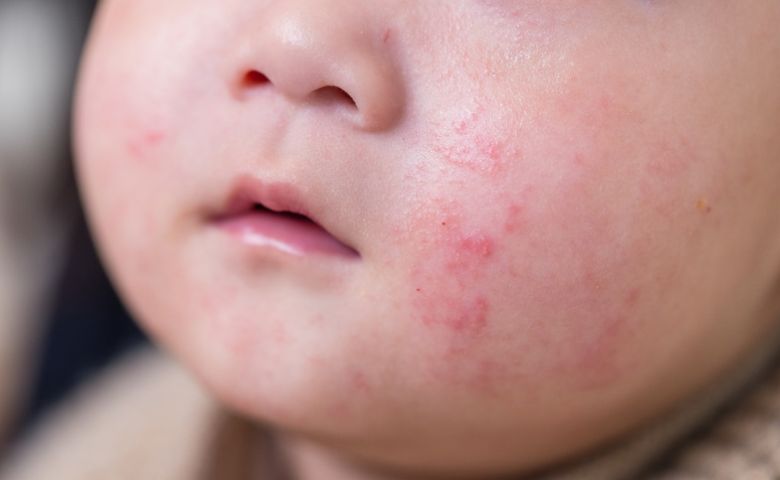
Expert Online Treatment for Skin Rashes in Children from Australia's Leading Dermatologists
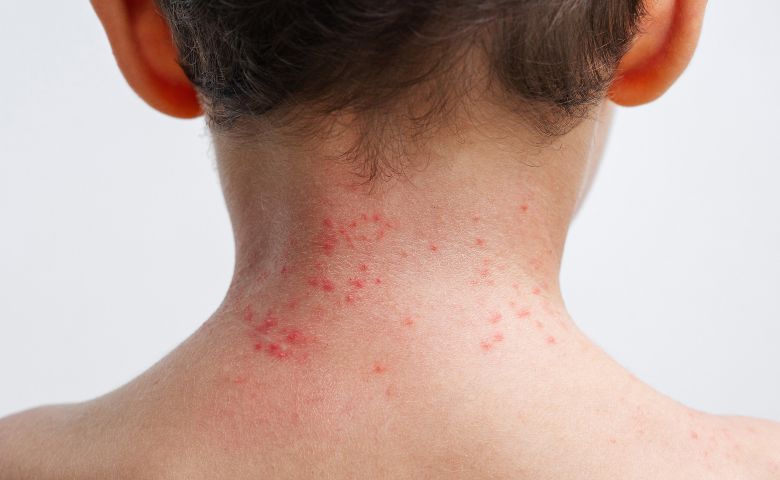
Skin rashes are one of the most common reasons parents seek medical advice for their children. While many rashes resolve on their own, persistent, recurring, or worsening rashes often need specialist input to get the right diagnosis and treatment. With online access to experienced dermatologists, you can get expert paediatric dermatology care without waiting months for an appointment.
What are childhood rashes?
Childhood rashes are changes to the skin that cause redness, irritation, bumps, or patches. They are extremely common in children and can be caused by a wide range of conditions including inflammatory skin conditions, infections, and allergic reactions.
Many rashes look similar, which makes accurate diagnosis important. The right treatment depends entirely on identifying the correct cause, and implementing an effective treatment.
Blanching vs non-blanching rashes
One of the most important things a parent can do when their child develops a rash is to check whether it is blanching or non-blanching. This simple test can help identify whether a rash needs urgent medical attention.
To perform the test, press a clear glass firmly against the rash. If the rash fades or disappears under pressure, it is blanching. If it remains visible and does not fade, it is non-blanching.
Blanching rashes are caused by blood vessels dilating near the surface of the skin and are generally not a sign of serious illness. Most common childhood rashes including eczema, hives, and viral rashes are blanching.
Non-blanching rashes do not fade under pressure and can indicate bleeding under the skin. In some cases this can be a sign of a serious condition such as meningococcal disease, which requires immediate emergency medical attention. If your child has a non-blanching rash, particularly alongside fever, vomiting, or sensitivity to light, seek emergency care immediately.
If you are unsure whether your child’s rash is blanching or non-blanching, or if the rash is persistent, recurring, or causing concern, an online dermatologist can help assess the condition and advise on next steps.
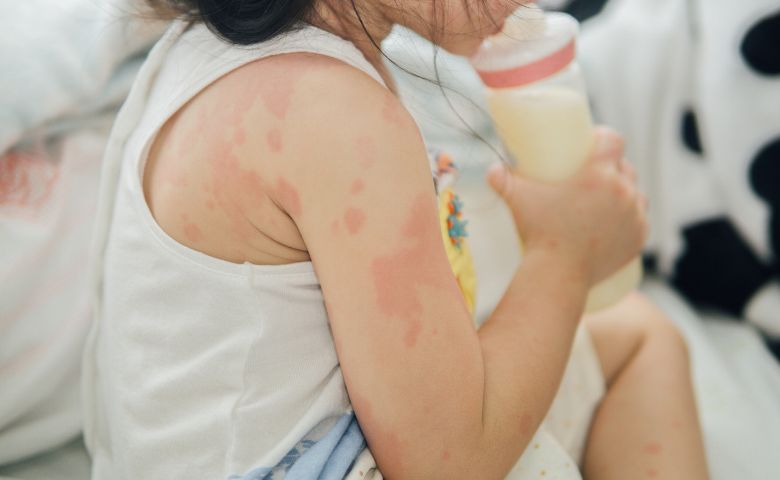
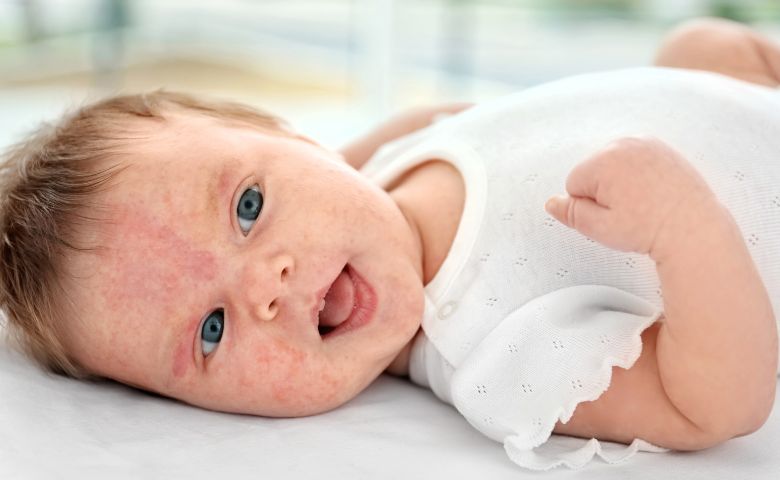
Common skin rashes in children
There are many types of skin rashes that affect children. The following are some of the most common conditions a paediatric dermatologist can help diagnose and treat.
Eczema / Atopic Dermatitis
Eczema is one of the most common skin conditions in children and often begins in infancy. It causes dry, red, and intensely itchy patches of skin that tend to flare up periodically.
In babies and young children, eczema commonly affects the face, scalp, and outer surfaces of the arms and legs. In older children it tends to appear in the folds of the elbows and knees, the neck, wrists, and hands.
Eczema in children requires careful management to reduce flare ups, prevent skin thickening from scratching, and minimise the impact on sleep and daily life. A dermatologist can recommend an age-appropriate treatment plan including prescription topicals where needed.
For more information, visit our dedicated eczema page.
Contact Dermatitis
Contact dermatitis occurs when a child’s skin reacts to contact with an irritant or allergen. It causes a red, itchy rash at the site of contact and can be triggered by soaps, detergents, certain fabrics, fragrances, or latex.
Identifying and avoiding the trigger is the most important step in management. A dermatologist can help determine whether the reaction is irritant or allergic and recommend appropriate treatment.
Hives / Urticaria
Hives are raised, itchy welts that can appear anywhere on the body and are common in children. They are often triggered by a viral infection, food, or medication, and typically resolve within a few days.
When hives are recurring or persistent, specialist assessment is recommended to identify the type of urticaria and the most appropriate treatment approach.
For more information, visit our dedicated urticaria page.
Impetigo
Impetigo is a highly contagious bacterial skin infection that is common in children, particularly in warm and humid conditions. It causes sores that burst and form a honey-coloured crust, most commonly around the nose and mouth.
Impetigo requires prompt treatment with antibiotics to clear the infection and prevent it from spreading to other children. A dermatologist can confirm the diagnosis and arrange appropriate prescription treatment.
When should I see a dermatologist for my child's rash?
Many childhood rashes are mild and resolve without treatment. However it is worth seeking specialist advice if your child’s rash:
- is persistent or not improving after a few weeks
- keeps coming back
- is causing significant itching, discomfort, or distress
- is affecting sleep or daily activities
- is spreading or worsening
- has not responded to over the counter treatments
- is in a sensitive area such as the face, eyelids, or skin folds
- is accompanied by other symptoms that concern you
A dermatologist can provide a clear diagnosis and treatment plan, avoiding months of ineffective self-treatment.
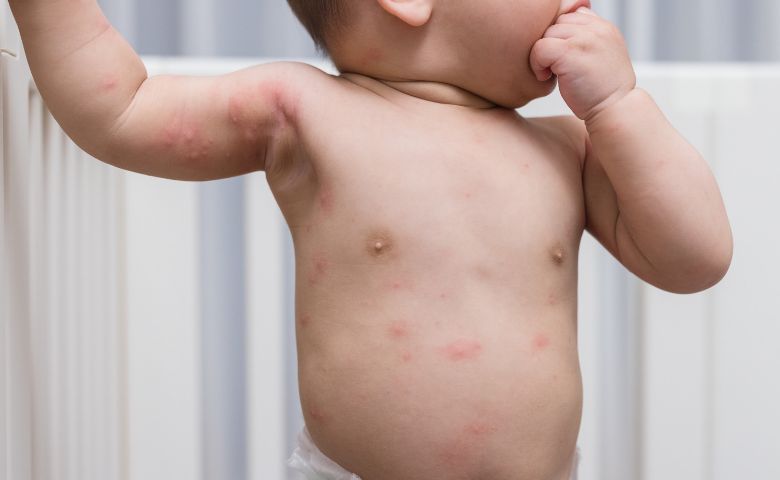
Why see a paediatric dermatologist online?
Getting specialist dermatology care for children can involve long wait times, particularly in regional and rural areas of Australia. An online consultation with Digital Dermatology removes those barriers and gives your child access to expert care quickly and conveniently.
Digital Dermatology can help with:
- accurate diagnosis of your child’s rash
- identifying triggers and contributing factors
- recommending age-appropriate treatment options
- prescribing medications where appropriate
- providing ongoing management for chronic conditions such as eczema
What to expect from an online paediatric dermatology consultation
An online consultation with Digital Dermatology is straightforward and designed to give you a clear path forward.
You will typically provide:
- clear photos of your child’s rash
- a history of when the rash started and how it has changed
- details of any known triggers or patterns
- a list of products or treatments you have already tried
- relevant medical history including any allergies or skin conditions in the family
Your dermatologist will assess your child’s condition and provide:
- confirmation of diagnosis
- identification of contributing factors
- a personalised treatment plan
- prescriptions where appropriate
- guidance on ongoing management and prevention
Why early treatment matters
Many childhood skin conditions respond well to treatment when addressed early. Delaying treatment can allow conditions like eczema to become more established, increase the risk of skin infections from scratching, and have a significant impact on a child’s sleep, comfort, and quality of life.
Early treatment can:
- bring symptoms under control more quickly
- reduce the frequency and severity of flare ups
- prevent secondary skin infections
- minimise the impact on your child’s sleep and daily activities
- avoid months of ineffective self-treatment
Book a paediatric dermatologist online
If your child has a persistent or recurring skin rash that is not improving, it is worth getting a specialist opinion.
Book an online consultation through Digital Dermatology to get a clear diagnosis and a treatment plan tailored to your child’s condition.
Our pricing is transparent, so you can access expert care without uncertainty.
FAQs
What are the most common skin rashes in children?
The most common skin rashes seen in children include eczema, contact dermatitis, hives, impetigo, hand, foot and mouth disease, and viral exanthems. Each has distinct causes and requires a different treatment approach.
When should I take my child to a dermatologist for a rash?
If your child’s rash is persistent, recurring, worsening, or not responding to over the counter treatments, a dermatologist can provide an accurate diagnosis and a more targeted treatment plan.
Can a dermatologist treat childhood eczema online?
Yes, eczema is well suited to telehealth consultation. A dermatologist can assess your child’s condition from photos and history, confirm the diagnosis, and prescribe appropriate treatment.
What is the difference between eczema and contact dermatitis in children?
Eczema is a chronic inflammatory skin condition driven by a combination of genetic and environmental factors. Contact dermatitis is triggered by direct skin contact with an irritant or allergen and typically resolves once the trigger is removed.
Can children get hives?
Yes, hives are common in children and are often triggered by a viral infection, food, or medication. Recurring or persistent hives should be assessed by a dermatologist to identify the type and appropriate treatment.
What is impetigo and how is it treated?
Impetigo is a contagious bacterial skin infection causing crusted sores, most commonly around the nose and mouth. It is treated with antibiotics, which can be prescribed following an online dermatology consultation.
Is online paediatric dermatology suitable for young children and babies?
Yes, many childhood skin conditions including infant eczema and contact dermatitis can be assessed effectively through an online consultation using photos and a detailed history provided by the parent or carer.