

Acne
What is Acne?
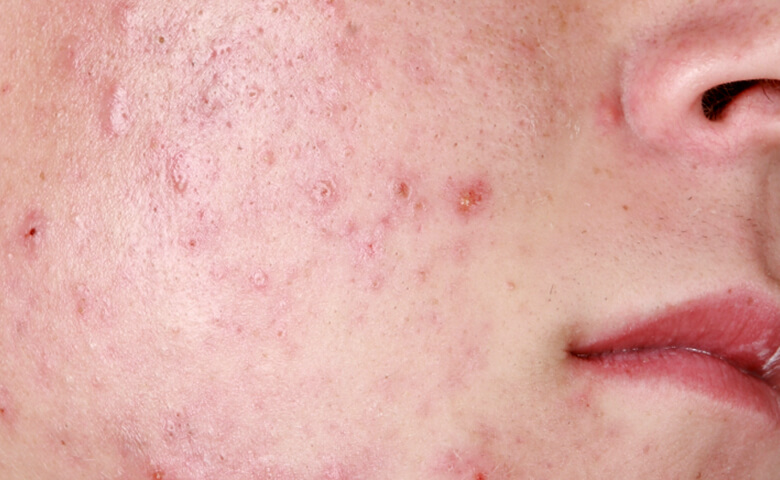
Acne is a common skin condition that affects the oil glands and pores. When pores become blocked and inflamed, breakouts can appear in many forms, including whiteheads, blackheads, red pimples, painful deep lumps, and sometimes long-lasting marks or permanent acne scarring.
For many people, acne is not just a cosmetic issue. Ongoing breakouts can affect confidence, social life, work, and mental health. Cystic acne is often harder to control and more likely to leave scars if not treated early.
Acne most often affects the face, but it can also involve the chest, shoulders, and back, where treatment can be harder to apply and flare-ups may go untreated for longer.
If acne is persistent, painful, or leaving marks, seeing a dermatologist early can make a real difference to long-term skin health.
Who gets Acne?
Acne is often associated with teenagers, and many people do improve after adolescence. However, acne can start in childhood, continue well into adulthood, or appear for the first time later in life.
Adult acne is common, and in women it is often linked with hormonal patterns. Acne can persist into middle age, especially when breakouts are deep, cystic, or hormonally driven.
What causes Acne?
Acne is not caused by poor hygiene. Genetics play a major role, and hormones are the main driver. During puberty, menstrual cycles, pregnancy, or other hormonal shifts, oil glands can become overactive.
In people prone to acne, oil glands enlarge and produce more oil than the skin can handle. At the same time, excess keratin builds up inside the pore, leading to blockage. This process happens deep within the skin, which is why scrubs and frequent washing do not fix acne.
Several factors can contribute to flare-ups:
- Hormonal changes, particularly in hormonal acne
- Diet, with sugary foods worsening acne in some people
- Stress, a common trigger for breakouts
- Skincare and makeup products that clog pores
Folliculitis and rosacea are separate conditions that may be mistaken for standard acne and need different treatment approaches. Accurate diagnosis matters.
What are the clinical features of Acne?
The type of acne present guides treatment decisions.
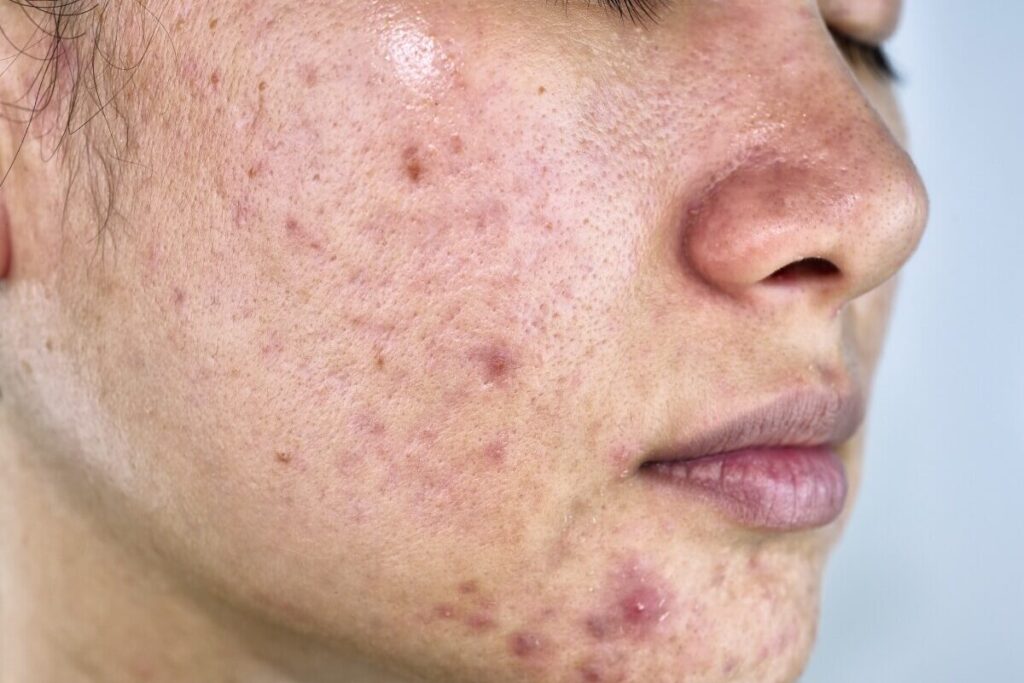
Whiteheads and blackheads, also known as comedones, rarely scar but can be stubborn. Red pimples, pustules, nodules, and cystic acne are more likely to cause permanent scarring if not controlled early.
Acne most often affects the face, where topical treatment is easier. When acne involves larger areas such as the back or chest, oral acne medication is often required.
It is also important to distinguish marks from scars.
Temporary marks include:
- Red marks, known as post-inflammatory erythema
- Brown marks, known as post-inflammatory pigmentation
True acne scarring includes:
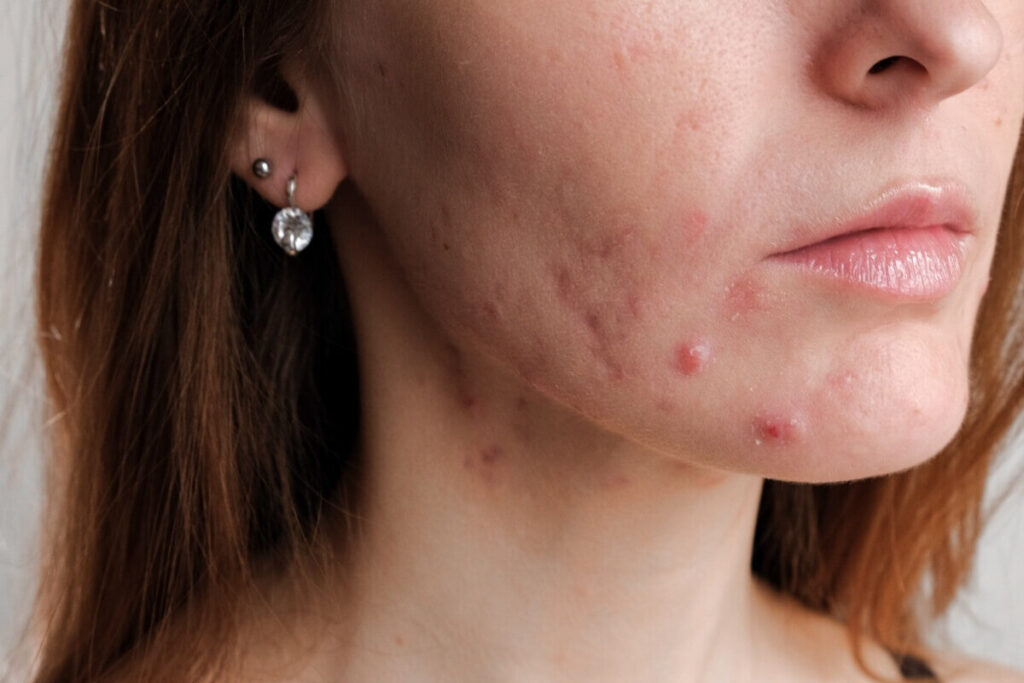
- Indented scars on the cheeks and temples
- Raised or thickened scars on the jawline, chest, or back
Preventing scarring is one of the main reasons early acne treatment matters.
Acne treatment options
Acne treatment depends on the type of acne, severity, skin type, and how much it affects daily life. The goal is to reduce breakouts, prevent new lesions, and reduce the risk of acne scarring.
General skincare
- Washing with plain water is sufficient. Cleansers do not reduce oil production.
- Keratolytic products such as salicylic acid may help mild acne but are often not enough alone.
- Use non-comedogenic skincare and makeup. Mineral makeup is usually a safe option.
- Although picking pimples should be avoided, this is less important than preventing new breakouts through proper treatment.
Topical treatments
Over-the-counter options include benzoyl peroxide and azelaic acid.
Prescription treatments include:
- Topical antibiotics such as clindamycin for inflamed acne
- Retinoids such as tretinoin, adapalene, and trifarotene to reduce blockage and prevent new acne
- Clascoterone to reduce oil gland activity and inflammation
Topical treatments are often combined with oral medication under medical supervision.
Oral treatments
- Oral antibiotics such as doxycycline or minocycline are used short term to calm inflamed acne
- Hormonal treatments for women, including certain contraceptives, spironolactone, or cyproterone acetate
- Isotretinoin, a vitamin A derivative,the most effective acne medication for severe or resistant acne, including cystic acne
Isotretinoin must be prescribed by a dermatologist and carefully monitored due to side effects and pregnancy risk. side effects and high risk of birth defects, it must be prescribed by a dermatologist.
Physical and procedural treatments
- Comedone extraction or gentle diathermy
- Chemical peels and microdermabrasion for mild acne
- Light therapies, including blue or red LED
- Steroid injections for painful nodules to reduce scarring risk
Acne scarring treatment
- Red or brown marks often fade over time, though vascular lasers may speed this up
- Indented scars may be treated with microneedling, laser resurfacing, radiofrequency, subcision, punch excision, or TCA cross
- Raised scars are commonly treated with steroid injections
What can your acne treatment outcome look like?
Acne is very treatable, and with the right plan, most people can achieve clear or mostly clear skin. Early and appropriate treatment greatly reduces the risk of permanent acne scarring.
For many patients, successful acne treatment means:
- Fewer breakouts and less inflammation
- Reduced pain from cystic or deep acne
- Less reliance on cover-up makeup
- Improved confidence and comfort
- Long-term control rather than constant flare-ups
Over time, oil glands naturally shrink, which is why acne typically improves with age. Having a structured treatment plan helps you reach that point sooner and with less lasting skin damage.
If acne is affecting your confidence, comfort, or leaving marks, booking an online appointment allows you to speak directly with an experienced acne treatment dermatologist without attending a clinic.
Digital Dermatology also manages a wide range of other skin conditions through our online dermatology services, so care can continue if your concerns change over time. For an understanding of how online dermatology pricing compares with attending a clinic in person, including consultation structure and follow-up, you can view our consultation fees.
Why choose Digital Dermatology?
- Australian-based dermatologists
- No GP referral required
- Online consults from anywhere in Australia
- Clear diagnosis and practical treatment plans
- Prescriptions arranged when appropriate
You receive care from dermatologists who manage inflammatory skin conditions daily, including periorificial dermatitis and conditions often confused with it. Our online telehealth approach means you can get the care and support you need from the comfort of your home or as an easy part of your day.
FAQs
What is acne?
Acne is a skin condition that affects the oil glands and pores. When pores become blocked and inflamed, breakouts can appear as whiteheads, blackheads, red pimples, painful deep lumps, or cysts. It commonly affects the face, chest, back, and shoulders.
What causes acne?
Acne is driven primarily by hormones and genetics, not poor hygiene. Hormonal changes cause oil glands to overproduce sebum, which combines with excess keratin to block pores deep within the skin. Triggers such as stress, diet, and pore-clogging skincare products can worsen breakouts.
Is acne only a teenage problem?
No, acne can start in childhood, persist well into adulthood, or appear for the first time later in life. Adult acne is common, particularly in women where it is often hormonally driven and can continue into middle age.
Does acne cause scarring?
Yes, particularly inflamed acne such as nodules and cysts carries a real risk of permanent scarring if not treated early. Whiteheads and blackheads rarely scar. Getting appropriate treatment sooner reduces that risk significantly.
What is the difference between acne marks and acne scars?
Marks are temporary. Red marks and brown marks typically fade over time. True scars are structural changes to the skin, either indented scars on the cheeks and temples, or raised scars on the jawline, chest, or back, and require specific treatment.
Will washing my face more help clear acne?
No, frequent washing does not reduce oil production or clear blocked pores. Acne develops deep within the skin and requires targeted treatment. Plain water is sufficient for cleansing, and harsh scrubs can irritate the skin without addressing the underlying cause.
What acne treatments are available?
Treatment depends on the type and severity of acne. Options range from topical treatments such as retinoids, benzoyl peroxide, and antibiotics through to oral medications including antibiotics, hormonal therapies, and isotretinoin. Procedural options such as chemical peels, light therapy, and steroid injections are also used in some cases.
What is isotretinoin and when is it used?
Isotretinoin is a vitamin A derivative and the most effective treatment available for severe or resistant acne, including cystic acne. It must be prescribed and monitored by a dermatologist due to potential side effects and a high risk of birth defects.
Does diet affect acne?
It can in some people. High-sugar diets have been linked to worsening acne in certain individuals, though diet is rarely the sole cause. Addressing dietary triggers works best as part of a broader treatment plan.
When should I see a dermatologist about acne?
If acne is persistent, painful, leaving marks, or affecting your confidence, it is worth getting an early assessment. Early treatment reduces the risk of permanent scarring and helps you achieve clearer skin sooner.