

What is Alopecia Areata?
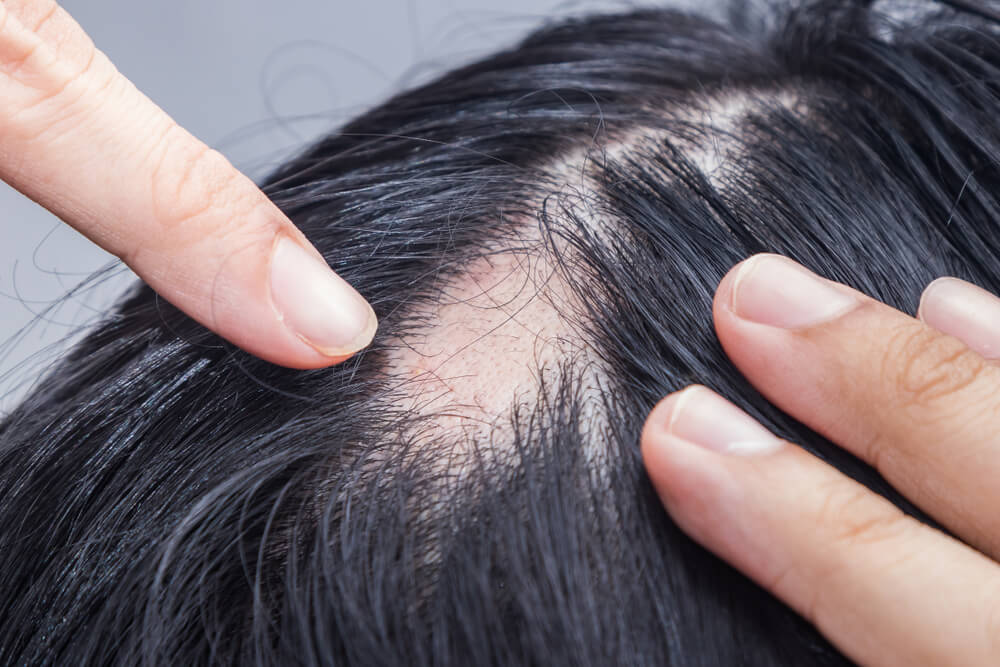
Alopecia areata is an autoimmune condition that usually causes sudden, patchy hair loss. It most commonly affects the scalp but can involve the eyebrows, eyelashes, beard, or other hair-bearing areas of the body. The skin where hair is lost usually looks smooth and normal.
For many people, alopecia areata hair loss is distressing and unexpected. Even small patches can have a significant impact on confidence, identity, and daily life. Some people also notice more general hair thinning alopecia alongside patchy loss.
A key point to understand is that in alopecia areata, the hair root is not destroyed. This means regrowth is possible, particularly when treatment is started early.
If you are searching for answers to what is alopecia or want clarity around treatment options, assessment by a dermatologist alopecia specialist can help guide next steps.
Who gets Alopecia Areata?
Alopecia areata can affect people of any age, including children. It often starts suddenly and may be the first sign of an underlying autoimmune tendency.
The condition is more common in people with:
- A family history of alopecia
- Other autoimmune conditions such as thyroid disease, vitiligo, or type 1 diabetes
Both men and women are affected, and severity varies widely from person to person.
What causes Alopecia Areata?
Alopecia areata occurs when the immune system mistakenly attacks the hair follicle. This immune activity weakens the hair, causing it to break. Importantly, the follicle itself remains alive, which is why regrowth can occur.
Stress is a common trigger, although stress affects people differently depending on genetics and immune makeup. Alopecia is not caused by diet, poor nutrition, shampoos, or hair products, and changing these alone will not reverse hair loss.
Because alopecia is immune-driven, treatment focuses on calming the immune response around the hair follicle rather than stimulating hair growth directly.
What are the clinical features of Alopecia Areata?
Alopecia areata usually presents with:
- Round or oval patches of hair loss with smooth skin
- Short broken hairs at the edges of patches
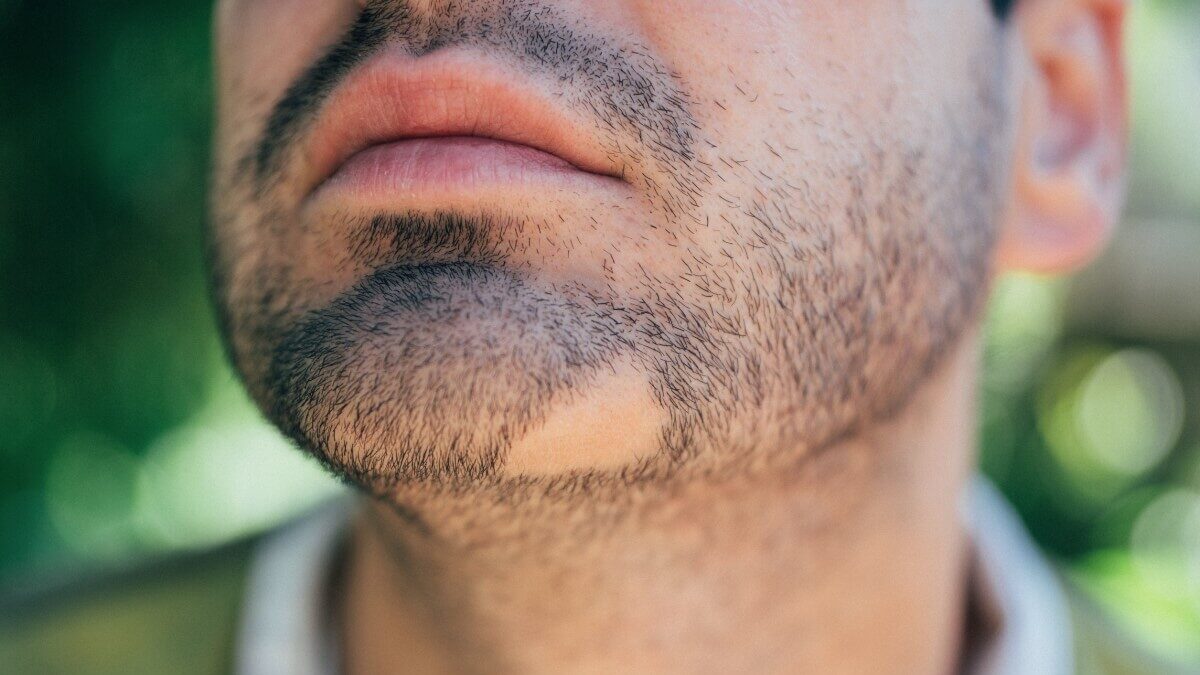
- Involvement of eyebrows, eyelashes, or beard area in some people
In more severe cases, hair loss can progress to:
- Alopecia totalis, where the entire scalp is affected
- Alopecia universalis, where scalp and body hair are lost
Nail changes such as pitting or ridging can also occur and may indicate more active disease.
Alopecia Areata treatment options
Alopecia areata treatment aims to reduce immune activity around the hair follicle and give hair the best chance to regrow. The choice of treatment depends on age, extent of hair loss, speed of progression, and previous response to therapy.
Topical treatments
Topical corticosteroids are often used in children or mild cases. These treatments are painless but may be less effective because creams and lotions do not always reach the deeper part of the hair follicle.
Steroid injections
Corticosteroid injections into the skin are the most effective treatment for patchy alopecia areata. They deliver medication directly to the hair root and are commonly used in older children and adults. Regrowth is often seen within several weeks.
Oral treatments
- Short courses of oral corticosteroids may be used in rapidly progressive cases
- Oral immune-modifying treatments such as JAK inhibitors, including baricitinib, may be considered in more extensive or persistent alopecia areata
Immunotherapy
Contact immunotherapy using diphenylcyclopropenone may be used in specialised cases to alter immune activity in the skin.
An online dermatologist can assess which alopecia treatment options are appropriate and whether escalation beyond topical therapy is needed.
What can your Alopecia Areata treatment outcome look like?
The course of alopecia areata is unpredictable. Some people experience spontaneous regrowth, while others need treatment to restart hair growth. Relapses are common, even after good regrowth.
With early assessment and appropriate alopecia areata treatment, many people see partial or full regrowth in affected areas. Outcomes are generally better when:
- Hair loss is patchy rather than widespread
- Treatment is started early
- There is no progression to total scalp or body hair loss
Even when relapses occur, having an established treatment plan allows flare-ups to be managed more quickly.
If hair loss is causing distress or spreading, booking an online appointment allows you to speak with a dermatologist alopecia specialist without attending a clinic. Digital Dermatology also manages a wide range of other skin and hair conditions through our online dermatology services, allowing ongoing care if your concerns change.
For an understanding of how online dermatology pricing compares with attending a clinic in person, including consultation structure and follow-up, you can view our consultation fees.