

Isotretinoin
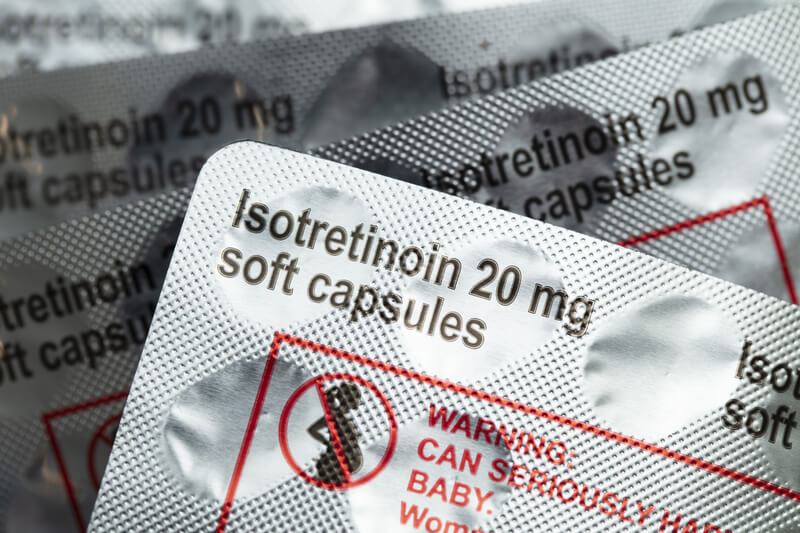
What is Isotretinoin?
Isotretinoin is a powerful oral medication used to treat severe acne. It is a Vitamin A derivative (retinoid) and works by reducing sebaceous gland size, oil production and inflammation. In Australia, only a Dermatologist can prescribe oral isotretinoin.
Who is suitable for isotretinoin?
Isotretinoin is typically prescribed for people with:
- Severe nodulocystic acne
- Acne that hasn’t responded to other treatments
- Scarring or psychosocial impact due to acne
Isotretinoin may also be prescribed by your dermatologist for other conditions such as rosacea, folliculitis, seborrheic dermatitis, and Grover’s disease.
How does isotretinoin work?
Isotretinoin works by:
- Shrinking oil glands and reducing oil production
- Decreasing acne-causing bacteria
- Reducing inflammation
- Reducing follicular occlusion (clogged pores)
What are the potential side effects?
Like any medication, isotretinoin has potential side effects, and these are generally dose-dependant. The presence and severity of side effects will also vary depending on individual patient factors, and the severity of their acne.
Mucocutaneous side effects:
These are common, but generally manageable.
- Dry lips, skin and eyes
- The skin may feel more sensitive and appear slightly more pink/red (including sites of past pimples)
- Dry nostrils (some people may experience nose bleeds)
- Sun sensitivity
- Brittle nails
- Hair shedding (this is rare and temporary)
How to treat these side effects:
- Regular hydrating moisturizer, lip balm, eye drops, lubricants as needed
- Eczema flare-up may require the use of topical steroids in affected areas
- Avoid active products on the skin (retinoids, chemical and physical exfoliants)
- Apply sunscreen daily throughout the year and re-apply as needed.
- Shave rather than wax; avoid ablative laser treatments
Other potential side effects of isotretinoin:
- Muscle aches (myalgia) and joint discomfort (arthralgia)
- Headaches (rarely severe with blurred vision)
- Disturbed night vision
- Tiredness/fatigue
- Elevate liver enzymes or triglycerides (cholesterol)
Initial flare:
It is not uncommon for the first 1-3 months of isotretinoin treatment to be a little up and down, and some patients experience mild (and rarely severe) worsening of their acne in this time. This is often predictable, and your dermatologist may institute treatment to counteract this.
If you are experiencing unexpected or severe side effects, please stop the medication immediately and contact your treating dermatologist.
Important issues to discuss
- Mood changes and depression:
This is a topic of controversy and understandably great concern for many patients. There have been prior studies highlighting a possible (not direct) link with isotretinoin and low mood/depression. More recent large and robust studies have been conducted showing no increased risk of mood changes compared to the general population. We know acne itself can be a cause of significant distress, anxiety and depression. Anecdotally, many patients experience improvement of their mood and confidence as the skin improves significantly with treatment. Numerous people who have a history of depression have been successfully treated with isotretinoin. If you have any history of low mood or depression, this is an important thing to discuss with your prescribing dermatologist.
- Inflammatory bowel disease (IBD):
A potential link between isotretinoin and inflammatory bowel disease has been documented in the past but has been controversial, with studies showing mixed reports. The association with Crohn’s disease has been refuted, but isotretinoin has been associated with a slight and transient increased risk of ulcerative colitis. This is felt to be in patients with an existing diagnosis of IBD, not a causative new onset IBD.
- Pregnancy:
Isotretinoin is a known teratogen for women, meaning it can cause severe birth defects. There is no impact on hormones or fertility – it is the ingestion of Vitamin A that can interfere with embryo development. There is a strict requirement for double contraception (eg the oral contraceptive pill and a condom) throughout your course of isotretinoin, plus one month after.
What to do while on isotretinoin:
- Use basic hydrating supportive skincare in the form of a hydrating moisturizer and lip balm.
- Use daily sunscreen/sun protection every day throughout the year
- Baseline and monitoring blood tests are required to monitor safety (your dermatologist will determine the frequency of these)
- Pregnancy prevention in the form of double contraception or abstinence is essential due to the high risk of birth defects
- Contact your dermatologist or GP if you have any concerns.
What not to do while on isotretinoin:
- Limit/minimise alcohol intake
- Avoid donating blood
- Avoid breast-feeding
- Avoid the application of irritating or active products to the skin
- Do not take other products or supplements containing Vitamin A
What is the outcome with isotretinoin?
Most people experience significant long-term improvement or clearance of acne after one course. A small portion of patients may require a second course at a later time but also tend to respond very well.
Why choose Digital Dermatology?
- Australian-based dermatologists
- No GP referral required
- Online consults from anywhere in Australia
- Clear diagnosis and practical treatment plans
- Prescriptions arranged when appropriate
You receive care from dermatologists who manage inflammatory skin conditions daily, including periorificial dermatitis and conditions often confused with it. Our online telehealth approach means you can get the care and support you need from the comfort of your home or as an easy part of your day.
Fees and booking
Booking online is easy, and our fees are clear and transparently laid out so you can get the support and care you need without any unpleasant surprises.
FAQs
How long do I have to take isotretinoin and will it cure me?
The time course of isotretinoin varies depending on clinical severity, body weight/size and speed of response. The average course is approximately 12 months. Generally when the skin has been clear for 2-3 months, this is a good sign that the oil glands are ‘ready’ to wean off or cease the medication.
The vast majority of patients will achieve a very effective longterm outcome from one course. 10-15% of people may require an additional course (or alternative acne treatment), but fortunately tend to respond very well.
Can I have laser while on isotretinoin?
Traditionally, this has been a firm no, but technically, some lasers, including hair removal and vascular laser are generally safe while on isotretinoin, but it would be imperative to attend a service which is well trained and has knowledge of the use of isotretinoin. We still advise against resurfacing lasers (or energy based devices) during the course of treatment and at least 1 month post cessation. Safety of laser is dependant on numerous factors including dose of medication, skin-type, type of laser, and skillset of the technician. Speak with your treating dermatologist prior to pursuing any laser treatment.
Can I take isotretinoin if I’m vegan?
Isotretinoin comes in capsule form, which includes a small portion of gelatin.
What about peanut allergies?
Isotretinoin capsules contain a small amount of highly processed Soya oil. They do not contain any peanut proteins. Soya and peanut are derived from similar food groups, thus there have been previous discussions about potential cross-reactivity and allergy. People with peanut allergy, and no allergy to Soya, can safely take this medication. Those with a severe soya allergy should speak with their dermatologist and allergist.
What skincare products should I use while on isotretinoin?
Isotretinoin does all of the hard work, so the aim of skincare is simple, hydrating and protective. There is generally no need for active products, which may contribute to irritation and dryness. A basic hydrating cleanser and moisturizer and lip balm are generally recommended. And sunscreen daily throughout the year – reapplied if outdoors, as required. Please speak to your treating dermatologist (and/or dermal clinician) for some specific recommendations.