

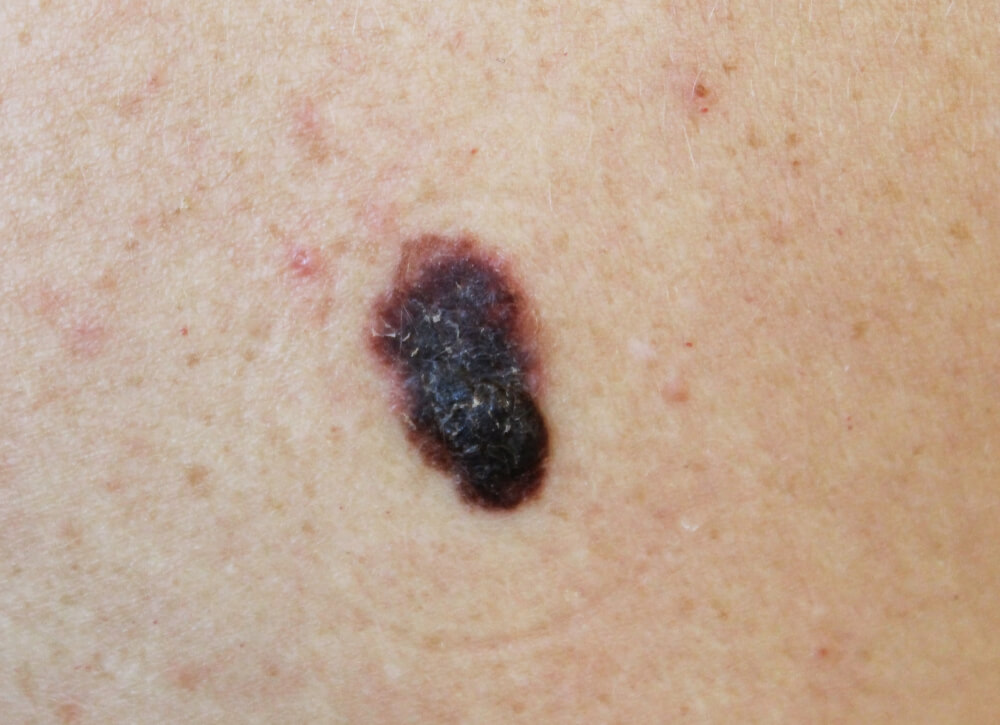
What is Melanoma?
Melanoma is a potentially serious form of skin cancer that arises from pigment-producing cells called melanocytes. It can spread (metastasize) to other parts of the body if not treated early.
Who is at risk?
There are a number of risk factors; the more of the following that you have, the higher your overall risk:
- Growing up in a sunny climate (eg. Queensland)
- Fair skin, freckling or light hair (red or blond)
- A history of multiple sunburns
- Use of tanning beds
- Family history of skin cancer (including BCC, SCC or melanoma)
- A large number of moles (especially more than 200).
Note: Most moles do not turn into melanoma, even if sunburned or scratched. However, people who develop many moles after sun exposure are more prone to melanoma. For this reason, total-body photography is often recommended for such individuals to monitor for new or changing spots.
What causes melanoma?
Melanoma is caused by DNA damage from ultraviolet (UV) radiation – either from the sun or tanning beds. Sunburns in childhood and adolescence are particularly important, as they can trigger melanoma years later.
At what age does melanoma develop?
- Melanomas is uncommon before the age of 30.
- During childhood, adolescence and young adulthood, harmless moles tend to appear. This is also the critical period to prevent sunburns.
- By around age 50, new moles typically stop forming – but this is when melanomas become more common.
Where does melanoma occur?
- In men, the back is the most frequent site.
- In women, the lower legs are most commonly affected, often due to sunburn while sunbathing.
- However, melanoma can appear on any sun-damaged area of skin.
What about melanoma of the nails or under the feet?
Melanomas can rarely occur under the nails, or on the soles of the feet. Unlike most melanomas, these are not caused by sun exposure. They typically present as dark spots or lines that enlarge steadily over months.
What are the warning signs?
- Most melanomas are brown or black because they arise from pigment cells.
- The key difference between a harmless mole and a melanoma is:
- Moles grow initially, then stop.
- Melanomas never stop growing.
- Melanomas usually grow gradually over a period of months.
- They usually grow silently – without pain, itchiness or bleeding – althrough exceptions exist. Any changing, itching or bleeding spot should be checked by a doctor.
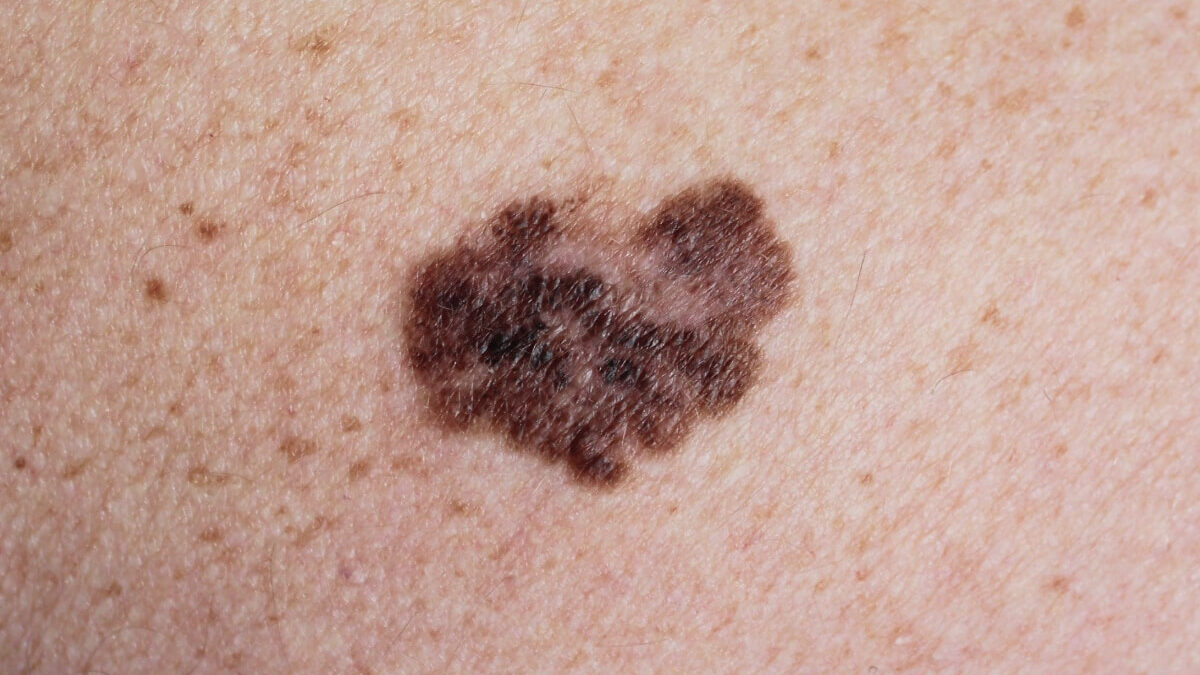
The role of photography.
Photography is an excellent tool for early detection:
- Take clear baseline photos of your skin, including areas with few or no moles.
- Include images of your back, upper legs, lower legs, etc. from the sides as well as the front and back. About 20 views are required to capture the entire skin surface.
- Store these photos on a tablet or device so they can be used as a baseline record for comparison during future skin checks with your GP or dermatologist.
How is melanoma treated?
- Surgical excision is the mainstay of treatment. If caught early, it offers the best chance of cure. A wider “re-excision” may be required to ensure complete removal.
- Sentinel lymph node biopsy may be recommended to check if melanoma cells have spread to the lymph nodes.
- Immunotherapy is used for advanced melanoma that has spread (metastasized) to other parts of the body.
- Scans (ultrasounds, CT PET) may be ordered depending on the risk level.
- Regular follow-up is advised. Once a person has had one melanoma, their risk of developing another (unrelated) melanoma increases.
What is the outcome of melanoma?
When detected early, melanoma is highly curable. Advanced melanoma can be life-threatening, but treatment outcomes are improving with modern therapies.