

Melanoma
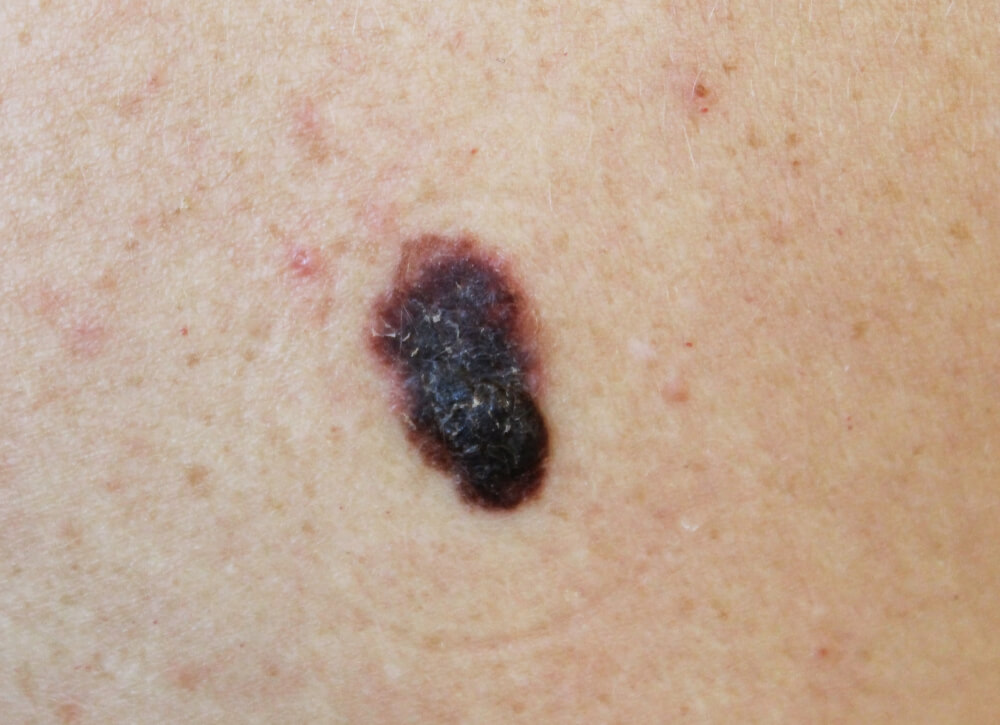
What is melanoma?
Melanoma is a serious type of skin cancer that develops from pigment-producing cells called melanocytes. Unlike other common skin cancers, melanoma has the potential to spread to other parts of the body if not detected early. Because of this, early recognition and appropriate medical assessment are critical.
What does melanoma look like?
Melanoma can vary in appearance and may not always look obvious in its early stages.
Common features include:
- a mole that changes in size, shape, or colour
- a spot that looks different from others on your skin
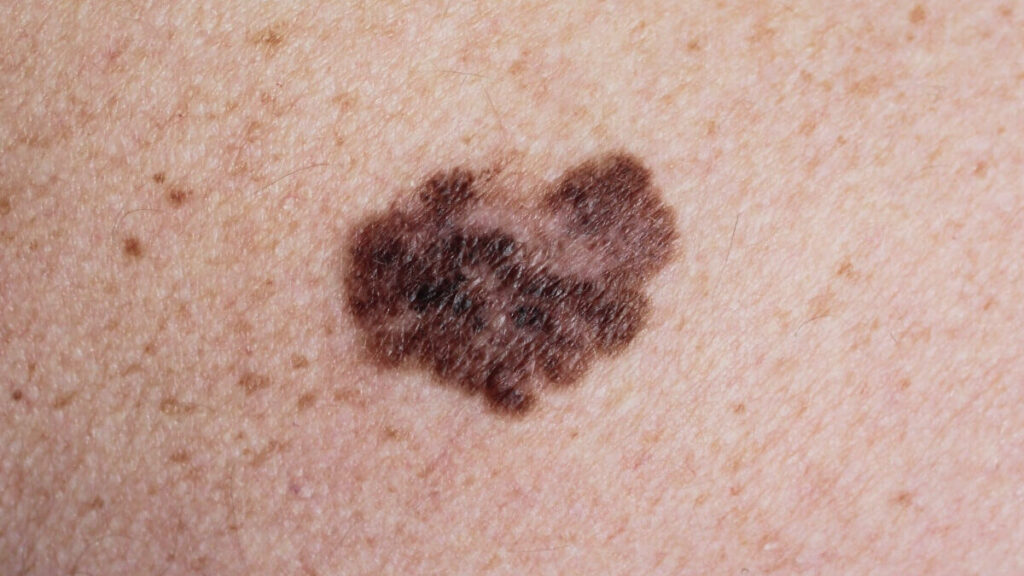
- uneven borders or irregular shape
- multiple colours within one lesion
- gradual enlargement over months
- a lesion that becomes itchy, bleeds, or crusts
A key distinction is that melanomas continue to grow over time, whereas normal moles typically stabilise.
Types of melanoma
There are several types of melanoma, each with different growth patterns.
Superficial spreading melanoma is the most common type. It tends to grow slowly across the surface of the skin before going deeper.
Nodular melanoma is more aggressive and grows more quickly. It may appear as a firm, raised bump that can be dark or sometimes pink.
Melanoma can also occur under the nails, or on the palms and soles of the feet. These may present as a dark streak, patch, or area that enlarges steadily over time.
Who is at risk of melanoma?
Melanoma is more common in people with certain risk factors, including:
- fair skin, light hair, or freckling
- a history of sunburn, especially in childhood or adolescence
- growing up in a high UV environment such as Australia
- use of tanning beds
- a large number of moles
- a family history of melanoma or other skin cancers
Even so, melanoma can occur in people without obvious risk factors.
What causes melanoma?
Melanoma is caused by DNA damage in skin cells, most often from ultraviolet radiation from the sun or tanning beds. Sunburns earlier in life are particularly important, as they can increase the risk years later.
Why early assessment matters
Melanoma is highly treatable when detected early. As it grows deeper into the skin or spreads to other parts of the body, treatment becomes more complex and the risks increase.
Early assessment can:
- improve the chance of cure
- reduce the extent of surgery needed
- lower the risk of spread
- simplify follow-up care
anim id est laborum
When should you seek medical care?
A skin lesion should be assessed by a doctor if you notice:
- a new mole or spot that looks different from others
- a mole that is changing in size, shape, or colour
- a lesion that continues to grow over months
- a spot that bleeds, crusts, or does not heal
- any change that stands out compared to your usual skin pattern
These features do not always mean melanoma, but they should be checked promptly.
How is melanoma diagnosed?
Melanoma cannot be reliably diagnosed from photos alone.
While images can help track changes over time, they are not sufficient to confirm a diagnosis. Many benign lesions can appear similar to melanoma, particularly in early stages.
An accurate diagnosis requires an in-person examination. In most cases, a biopsy or removal is needed so the tissue can be assessed under a microscope.
This is especially important in Australia, where melanoma is common and early lesions can sometimes be subtle.
How is melanoma treated?
Treatment depends on how early the melanoma is detected and how deep it has grown.
Treatment may include:
- surgical excision to remove the lesion
- a wider re-excision to ensure clear margins
- sentinel lymph node biopsy in selected cases
- imaging if there is concern about spread
- immunotherapy for advanced melanoma
For early melanoma, surgery alone is often highly effective. More advanced cases may require additional treatment and ongoing follow-up.
Melanoma and self-checks
Monitoring your skin regularly can help with early detection.
A practical approach includes:
- taking baseline photos of your skin
- checking for new or changing spots
- looking for anything that stands out compared to other moles
If you notice changes, it is important to have them assessed by a doctor rather than relying on online images or self-diagnosis.
FAQs
What is melanoma?
Melanoma is a serious type of skin cancer that develops from pigment-producing cells called melanocytes. It has the potential to spread to other parts of the body if not detected early, which is why prompt assessment is important.
What are the early melanoma symptoms?
Early melanoma symptoms often include a changing mole, uneven colour, irregular borders, or a spot that looks different from others on your skin.
What does melanoma look like?
Melanoma can appear as a dark or uneven mole, but it can also be lighter or pink. Any new or changing lesion should be assessed.
Is melanoma life-threatening?
Melanoma can be life-threatening if it spreads to other parts of the body. When detected early, it is highly treatable. Early assessment is important to reduce the risk of spread.
Is nodular melanoma dangerous?
Yes, nodular melanoma is considered a more aggressive form of melanoma. It tends to grow more quickly than other types and can become serious if not detected early, so prompt medical assessment is important.
Can melanoma occur under nails?
Yes, melanoma can occur under the nails. It often appears as a dark streak or line that gradually widens over time and should be assessed if it is new or changing.
What is the treatment for melanoma?
Treatment usually involves surgical removal. More advanced cases may require additional treatments such as immunotherapy.
Are melanoma images reliable for self-diagnosis?
Melanoma images can help with general awareness, but they are not reliable for diagnosing a lesion. A proper medical assessment is always recommended.
When should I get a spot checked?
Any new or changing mole, or a lesion that grows, bleeds, or looks different from others, should be assessed by a medical professional as soon as possible.