

Periorificial dermatitis is a frustrating facial rash that often lingers, flares without warning, and gets worse with the wrong treatment. If you are dealing with redness, bumps or burning around the mouth, nose or eyes, an online dermatologist can help you get it under control without waiting weeks for an in-clinic appointment.
Digital Dermatology offers online consultations for periorificial dermatitis across Australia. You upload photos, complete a short medical history, and a qualified dermatologist reviews your case and provides a clear treatment plan. Prescriptions are arranged when appropriate.
Book an online dermatology consultation from the comfort of your home.
What is periorificial dermatitis?
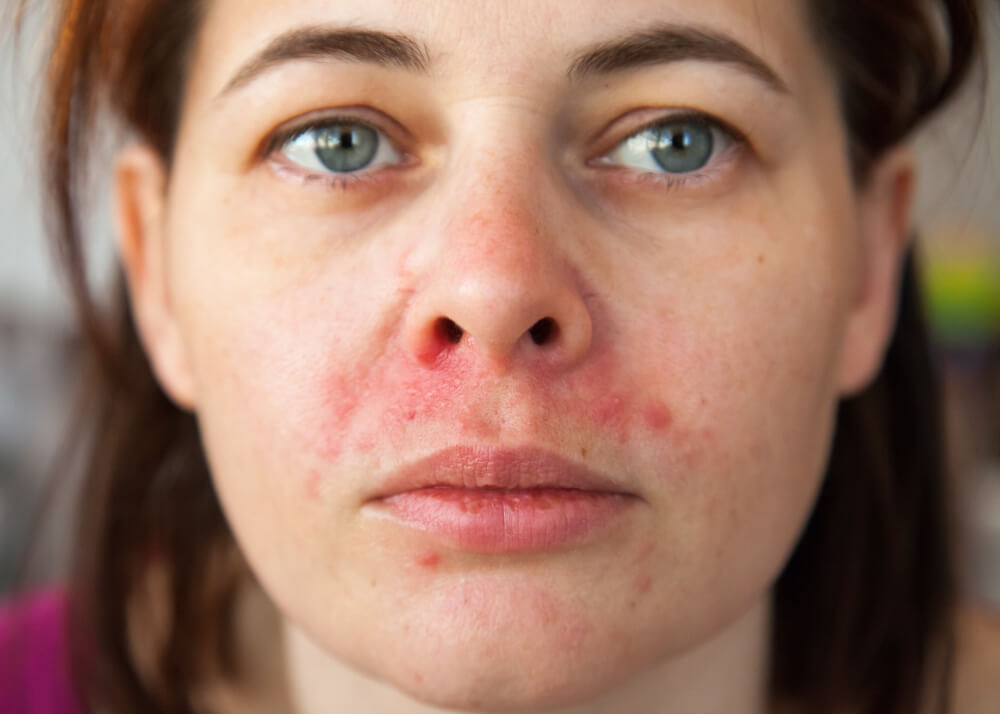
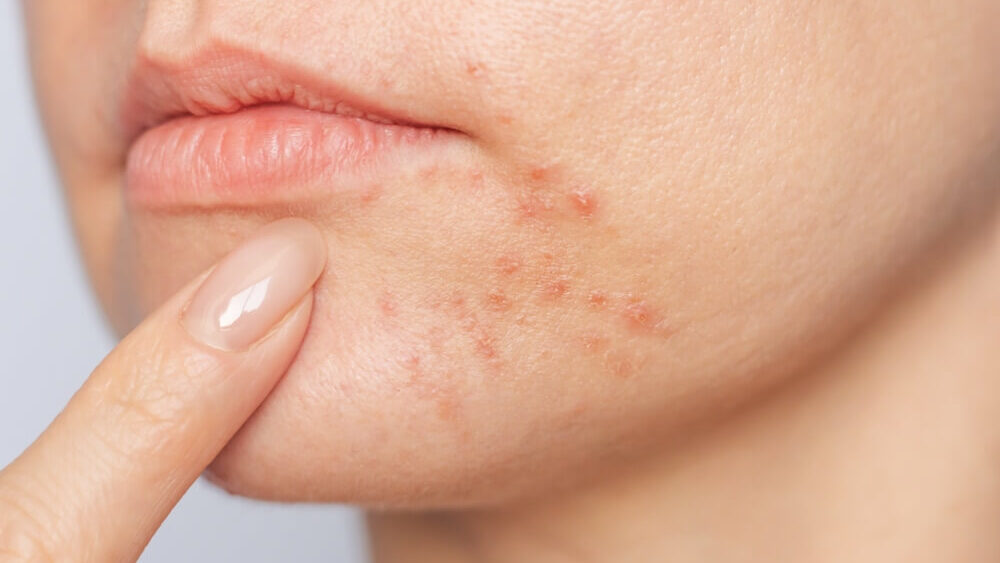
Periorificial dermatitis is an inflammatory skin condition that causes clusters of small red bumps, sometimes with pustules, on the face. It most commonly affects the area around the nose and mouth but can also involve the eyelid margins.
You may also hear it called:
- Perioral dermatitis
- Periocular dermatitis when it affects the eye area
- Orofacial dermatitis
It’s often referred to as ‘POD’.
Despite how it looks, it is not acne and it is not eczema. Using acne products or steroid creams often makes it worse.
What does periorificial dermatitis look and feel like?
Common features include:
- Red or pink rash around the mouth, chin or nose
- Small papules or pustules in a fairly even pattern
- Burning, stinging or itching rather than soreness
- Dry or slightly flaky skin
- A narrow strip of normal skin right next to the lips
Mild periorificial dermatitis may start as a faint rash that comes and goes. Without the right treatment, it can become more persistent and spread to the eyes or nose.
Who gets periorificial dermatitis?
Periorificial dermatitis is most common in women aged 15 to 45, but it can affect men and children as well.
You are more likely to develop it if you:
- Have used steroid creams on the face, even low strength ones
- Use inhaled or nasal steroid sprays
- Have sensitive or reactive skin
- Use heavy moisturisers, makeup or occlusive skincare
- Have recently changed toothpaste or skincare products
What causes periorificial dermatitis?
There is no single cause. It is thought to develop when the skin barrier becomes disrupted and inflamed.
Known triggers include:
- Topical corticosteroids on the face
- Steroid nasal sprays or asthma puffers
- Heavy or fragranced skincare products
- Fluoridated toothpaste
Steroid creams are the most common trigger. They may briefly reduce redness but they drive the condition long term.
Periorificial dermatitis treatment online
Effective treatment focuses on calming inflammation, restoring the skin barrier, and removing triggers.
Your online dermatologist will tailor treatment based on severity, location, and past treatments.
General measures
- Gradual withdrawal of topical steroids with medical guidance
- Simplified skincare using gentle, fragrance free products
- Avoidance of known triggers including heavy makeup and irritating products
Stopping steroid creams can cause a temporary flare. This is expected and manageable with the right plan and we can discuss how to manage this if it’s a concern in your consultation.
Topical treatments
Often used for mild to moderate periorificial dermatitis:
- Metronidazole
- Azelaic acid
- Erythromycin
- Pimecrolimus or tacrolimus
These help to reduce inflammation and control flare-ups over time.
Oral treatments
Used when the condition is more widespread, persistent or involving the eyes:
- Tetracycline antibiotics such as doxycycline or minocycline
- Macrolide antibiotics such as erythromycin when tetracyclines are unsuitable
Courses usually run for 6 to 12 weeks depending on response.
Chronic or resistant cases may occasionally require low dose isotretinoin under specialist supervision.
Can periorificial dermatitis be treated online?
Yes. Periorificial dermatitis is very well suited to online dermatology.
High quality photos allow our dermatologists to assess the pattern, severity and distribution of the rash. Treatment does not require in-person procedures, and prescriptions can be issued remotely when needed.
Online care also helps avoid repeated trial and error with products that make the condition worse.
How long does periorificial dermatitis take to clear?
With appropriate treatment, most cases improve steadily over weeks to months and heal without scarring.
Relapses can occur, particularly if facial steroids are reintroduced. Early specialist guidance reduces the risk of long-term flares and repeated cycles.
Why choose Digital Dermatology?
- Australian-based dermatologists
- No GP referral required
- Online consults from anywhere in Australia
- Clear diagnosis and practical treatment plans
- Prescriptions arranged when appropriate
You receive care from dermatologists who manage inflammatory skin conditions daily, including periorificial dermatitis and conditions often confused with it. Our online telehealth approach means you can get the care and support you need from the comfort of your home or as an easy part of your day.
Fees and booking
Booking online is easy, and our fees are clear and transparently laid out so you can get the support and care you need without any unpleasant surprises.
If you are dealing with ongoing facial redness, burning or bumps that are not settling, an online dermatologist can help you break the cycle.
Start your online consultation today
FAQ
No. While it can look similar, acne treatments often irritate periorificial dermatitis and make it worse.
No. Steroid creams are a major trigger and stopping them is essential for recovery. This should be done with medical guidance to reduce rebound flares.
Generally, no. When treated appropriately, it heals without scarring.
Yes. Children can be affected, often linked to steroid creams or inhalers. Treatment is adjusted based on age.
Yes. Dermatologists who manage inflammatory skin conditions such as psoriasis also treat periorificial dermatitis regularly and can distinguish between similar facial rashes.