

Melasma
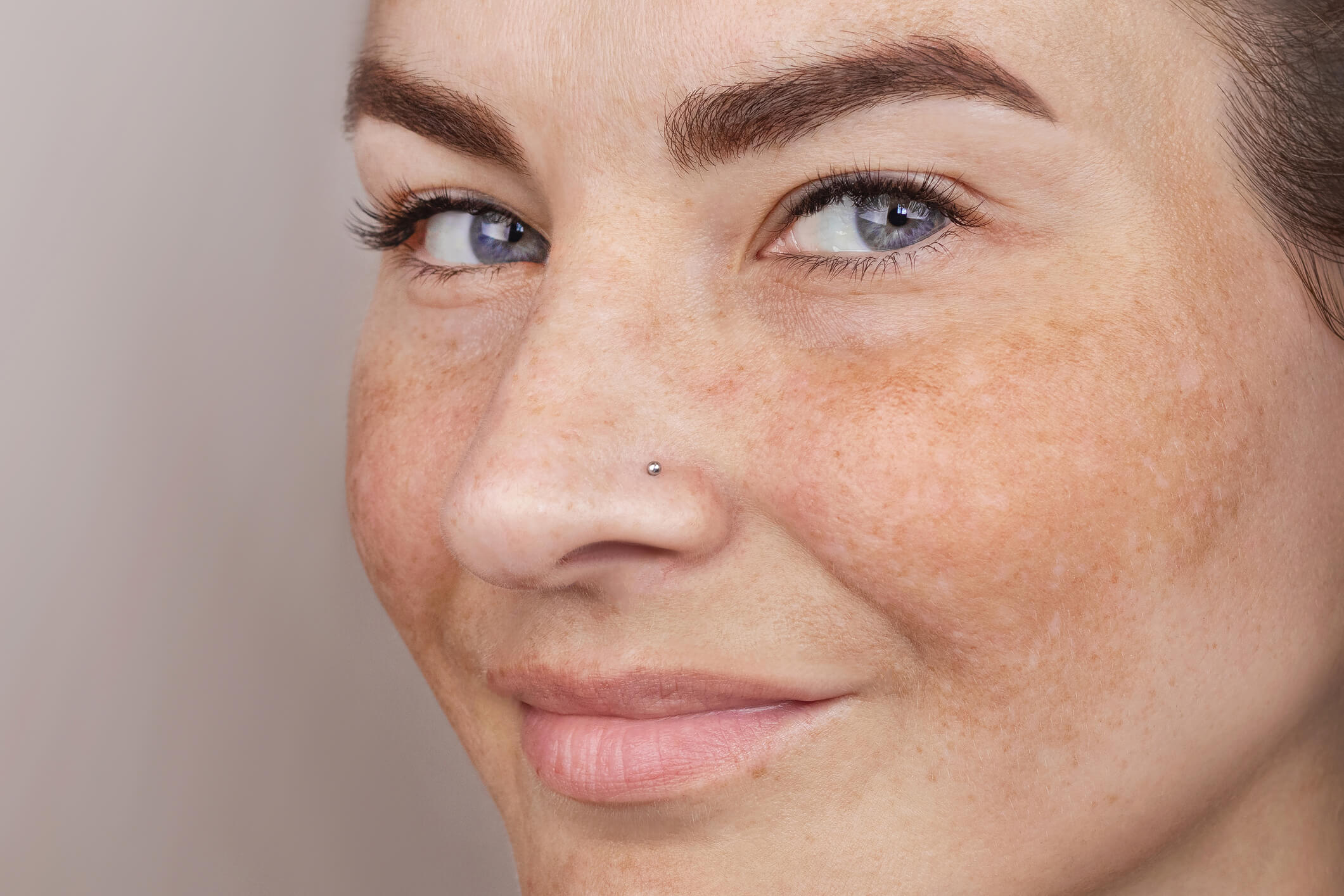
Expert Online Treatment from Australia's Leading Melasma Dermatologists
Melasma is a common pigmentation condition that can be frustrating to manage without the right support. With online access to experienced dermatologists, you can get a clear diagnosis and a personalised treatment plan without waiting months for an appointment.
What is melasma?
Melasma is a chronic skin condition that causes brown or grey-brown patches on the face. It develops when the skin produces too much melanin, the pigment that gives skin its colour, in certain areas.
It is not harmful, but it can be persistent and difficult to treat without specialist guidance. Many people try over the counter products for months without meaningful improvement before getting a proper diagnosis.
Melasma symptoms
Melasma typically appears as flat, irregular patches of darkened skin. Unlike some other skin conditions, it does not cause itching or discomfort.
Common signs include:
- brown or grey-brown patches on the face
- darkening that is usually symmetrical on both sides of the face
- patches most commonly on the cheeks, forehead, upper lip, nose, and chin
- pigmentation that tends to deepen with sun exposure
- colour that may fluctuate with hormonal changes
Symptoms can vary in intensity and are often more noticeable during summer or after hormonal shifts such as pregnancy or starting contraception.
What melasma is not
Melasma is frequently confused with other pigmentation conditions, which can lead to treatments that do not work.
It is not sunspots, although sun exposure makes it worse. It is not post-inflammatory hyperpigmentation, which follows skin injury or breakouts. It is not something that will reliably resolve on its own.
Getting the diagnosis right matters because the treatment approach differs significantly between these conditions.
Who gets melasma?
Melasma can affect anyone, but it is significantly more common in women, particularly during periods of hormonal change.
It tends to be more prevalent in people with medium to darker skin types, and those with a family history of the condition are at higher risk. It is also more common in people living in high UV environments, making sun protection especially important in Australia.
What causes melasma?
Melasma develops when melanocytes, the cells responsible for producing pigment in the skin, become overactive in certain areas. The exact reason this happens is not fully understood, but it is thought to involve a combination of factors.
Key contributors include:
- sun exposure, particularly UVA, UVB, and visible light
- hormonal changes, including pregnancy, oral contraceptives, and hormone replacement therapy
- genetic predisposition
- heat exposure, which can independently trigger melanocyte activity
Because multiple factors are usually involved, treatment needs to address more than one trigger to be effective.
Melasma and hormones
Hormonal change is one of the most significant drivers of melasma, which is why it is so common during pregnancy and often referred to as the “mask of pregnancy.”
Oestrogen and progesterone are thought to stimulate melanocyte activity, which is why melasma frequently appears or worsens when hormonal contraception is started, during pregnancy, or with hormone replacement therapy.
In some cases, addressing the hormonal trigger, such as changing contraception, can help reduce pigmentation. A dermatologist can help assess whether hormones are likely contributing to your melasma and factor that into your treatment plan.
Common melasma triggers
Even with treatment, ongoing exposure to triggers can cause melasma to return or worsen.
Common triggers include:
- UV exposure, including on overcast days
- visible light, including from computer / phone screens and indoor lighting
- heat – potentially including LED masks and saunas (both conventional and infrared)
- hormonal fluctuations
- certain skincare products that cause irritation
Sun protection is the single most important step in managing melasma. Without it, other treatments are significantly less effective.
Why see a melasma dermatologist online?
Melasma is one of the more challenging pigmentation conditions to treat because it requires a tailored approach and ongoing management. Many people spend years using the wrong products before getting specialist input.
Seeing a melasma dermatologist online gives you access to expert care without long wait times, regardless of where you are in Australia.
Digital Dermatology can help with:
- confirming whether your pigmentation is melasma or another condition
- identifying contributing factors including hormones and sun exposure patterns
- recommending targeted treatment options suited to your skin type
- prescribing high-strength topicals and oral treatments where appropriate
- guiding long term management to reduce relapse
Getting the right diagnosis early avoids months of ineffective self-treatment.
Melasma treatments
Melasma treatment focuses on suppressing melanocyte activity, reducing existing pigmentation, and preventing relapse. The right combination depends on your skin type, severity, and contributing factors.
General measures:
- daily broad spectrum sunscreen covering UVA, UVB, and visible light
- physical sun protection including hats and shade
- avoiding known triggers where possible
Topical treatments:
- hydroquinone, including high-strength formulations available on prescription
- combination therapy combining hydroquinone, a retinoid, and a low-strength corticosteroid
- retinoids/vitamin A derivatives
- tranexamic acid, (available in both topical and oral forms)
- Azelaic acid, kojic acid, and niacinamide may also be considered either alone or in a compounded preparation
Oral treatments:
- oral tranexamic acid for more resistant cases
Procedural treatments:
- chemical peels such as glycolic or salicylic acid, often used alongside other therapies
- laser and light-based treatments may be considered but carry significant risks therefore must be performed by an experienced clinician with a suitable device and in conjunction with other treatments.
A melasma dermatologist can assess your condition and build a treatment plan that works for your skin.
What to expect from an online dermatology consultation
An online consultation with Digital Dermatology is straightforward and designed to give you a clear path forward.
You will typically provide:
- photos of your skin
- a history of your symptoms and how they have changed over time
- details of previous treatments or products you have tried
- relevant background including any hormonal changes or medications
Your dermatologist will assess your condition and provide:
- confirmation of diagnosis
- an understanding of contributing factors
- a personalised treatment plan
- prescriptions where appropriate
- guidance on long term management and relapse prevention
This means you leave with a clear plan rather than continuing to trial products without direction.
Why early treatment matters
Melasma is a long term condition, but it responds well to the right treatment, particularly when started early.
Early treatment can:
- reduce the depth and extent of pigmentation
- prevent further darkening from ongoing triggers
- establish a sun protection routine before more damage occurs
- avoid months of ineffective self-treatment
Getting a specialist assessment early makes a meaningful difference to outcomes.
Book a melasma dermatologist online
There are many causes of facial pigmentation and the correct diagnosis and treatment is paramount. If you are dealing with persistent pigmentation that is not improving with over the counter products, it is worth getting a specialist opinion.
Book an online consultation with a melasma dermatologist through Digital Dermatology to get a clear diagnosis and a treatment plan tailored to your skin.
Our pricing is transparent, so you can access expert care without uncertainty.
FAQs
What is melasma?
Melasma is a chronic skin condition that causes brown or grey-brown patches, usually on the face. It develops due to overproduction of melanin in certain areas of the skin.
What causes melasma?
It is caused by a combination of sun exposure, hormonal changes, and genetic predisposition. Multiple factors are often involved.
What does melasma look like?
It typically appears as flat, symmetrical patches of darkened skin on the cheeks, forehead, upper lip, nose, or chin. It does not cause itching or pain.
Can melasma be cured?
There is no permanent cure, but it can be managed effectively with the right treatment and consistent sun protection. Many people achieve significant improvement or resolution.
What are the best treatments for melasma?
Treatment depends on severity and skin type. Options include prescription topicals such as hydroquinone and combination therapy, oral tranexamic acid if clinically appropriate, and in some cases chemical peels or laser therapy.
How is melasma different from sunspots?
Sunspots are caused purely by UV damage and tend to appear as individual spots. Melasma is driven by a combination of hormones and sun exposure and usually appears as larger, more diffuse patches.
When should I see a dermatologist for melasma?
If your pigmentation is persistent, worsening, or not responding to over the counter products, a dermatologist can confirm the diagnosis and prescribe more targeted treatment.
Is melasma related to hormones?
Yes, hormonal changes are a significant trigger. Melasma is common during pregnancy, when using hormonal contraception, and with hormone replacement therapy.